Last updated: September 29, 2026
Digital marketing can grow a business faster and more affordably than almost any other form of promotion — but only when it’s planned well. Many small businesses spread a small budget across too many channels, copy what competitors are doing, and never measure what actually brings in sales.
This guide explains how to build a digital marketing strategy that increases sales: how to choose the right channels, what each one is best for, the numbers you should track, and a practical 90-day plan to get started.
Start With a Simple Framework: The Customer Journey
People rarely buy the first time they hear about a business. They usually move through three stages:
| Stage | Customer mindset | Best channels |
|---|---|---|
| Awareness | “I have a problem” or “I’ve never heard of this brand” | Social media, video, SEO content, paid social ads |
| Consideration | “Which option is right for me?” | Comparison content, reviews, email, retargeting ads |
| Decision | “I’m ready to buy” | Search ads, offers, strong landing pages, testimonials |
The most effective strategies make sure there’s something for customers at every stage — not just ads asking them to buy immediately.
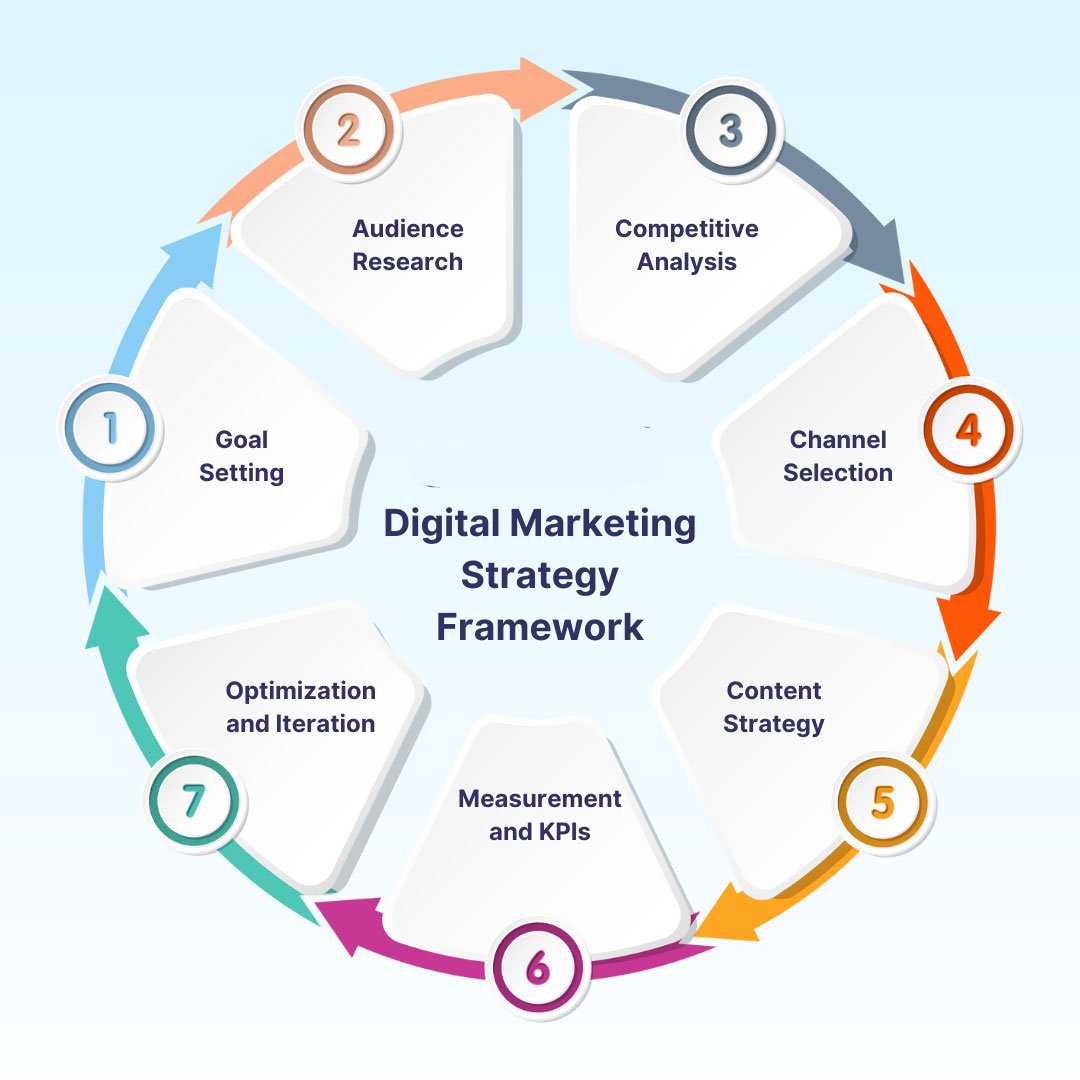
Step 1: Know Your Customer and Offer
- Who is your ideal customer? Age, location, job, problems, and where they spend time online.
- What problem do you solve? Describe it in your customer’s words.
- Why should they choose you? Price, quality, speed, expertise, or service.
- What’s your offer? A clear product, price, and reason to act now.
Weak offers can’t be fixed with better marketing. Strengthening your offer often improves every channel at once.
Step 2: Choose the Right Channels
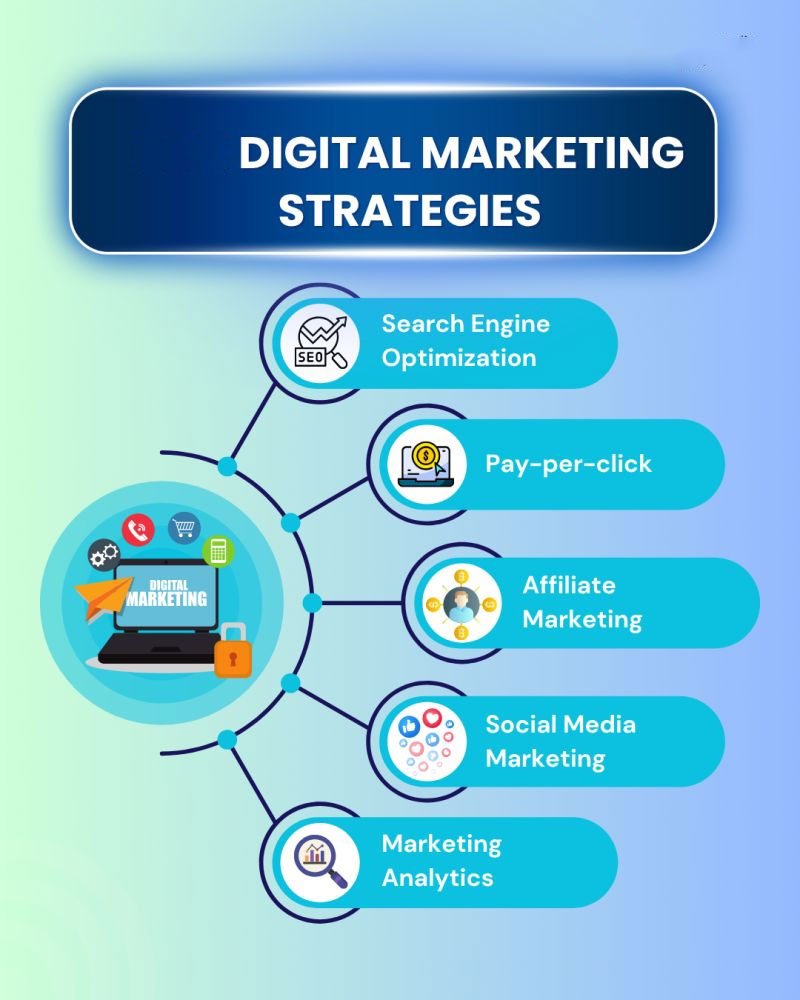
1. Search Engine Optimization (SEO)
SEO helps your website appear in search results when people look for what you sell. It takes time — often several months — but can deliver steady, free traffic for years.
- Research the questions and keywords customers use.
- Create genuinely helpful pages and articles that answer them.
- Make your site fast and mobile-friendly — see how to speed up WordPress.
- Earn links and mentions from relevant websites.
2. Local SEO and Google Business Profile
For businesses serving a local area — clinics, restaurants, shops, and service providers — a complete Google Business Profile with photos, accurate hours, and customer reviews can bring in calls and visits quickly.
3. Pay-Per-Click (PPC) Search Ads
Search ads (such as Google Ads) show your business to people actively searching for your product or service. They deliver fast results but cost money for every click.
- Start with a small budget and specific, high-intent keywords.
- Send traffic to a focused landing page, not your homepage.
- Use negative keywords to avoid paying for irrelevant searches.
- Track conversions so you know which keywords produce sales.
4. Social Media Marketing
Social media builds awareness and trust. Choose one or two platforms where your customers are most active rather than trying to be everywhere.
- Instagram and TikTok: Visual products, fashion, food, beauty, and lifestyle brands.
- Facebook: Local businesses, community groups, and broad audiences.
- LinkedIn: B2B services and professional audiences.
- YouTube: Tutorials, reviews, and educational content.
In markets like Pakistan, many small businesses sell directly through Instagram and Facebook, using WhatsApp Business for orders and customer service.
5. Paid Social Ads
Platforms like Meta (Facebook and Instagram) let you target people by interests, location, and behavior. They’re powerful for reaching new customers and retargeting people who visited your website. Study competitors’ ads with the Meta Ad Library for inspiration.
6. Content Marketing
Blog posts, videos, guides, and case studies attract customers by answering their questions and building trust before they’re ready to buy. Content also supports SEO and gives you material for social media and email. AI tools can help with drafts — see AI writing tools — but add your own expertise.
7. Email Marketing
Email lets you reach customers directly without relying on algorithms. Use it for welcome sequences, abandoned cart reminders, product launches, and regular helpful updates. Compare tools in our email marketing platforms guide.
8. Conversion Rate Optimization (CRO)
More traffic isn’t always the answer. Improving the percentage of visitors who buy can increase sales without spending more on ads.
- Use one clear call to action per page.
- Show reviews, testimonials, and trust badges.
- Simplify checkout and contact forms.
- Answer common objections (price, delivery, returns) on the page.
- Test headlines, images, and offers with A/B tests.
9. Influencer and Affiliate Marketing
Influencers and affiliates promote your products to their audiences. Choose partners whose followers genuinely match your customers, prefer smaller creators with engaged audiences over large but passive ones, and track results with unique codes or links.
10. AI and Automation
Chatbots, automated emails, and AI tools can respond to customers faster and save hours of work. See how small businesses can use AI automation.
Channel Comparison
| Channel | Speed of results | Cost | Best for |
|---|---|---|---|
| SEO and content | Slow (months) | Low cash, high time | Long-term, sustainable traffic |
| Google Business Profile | Fast | Free | Local businesses |
| Search ads | Very fast | Pay per click | Capturing ready-to-buy customers |
| Social media (organic) | Medium | Low cash, high time | Brand awareness and trust |
| Paid social ads | Fast | Pay per result | Reaching and retargeting new audiences |
| Medium | Low | Repeat sales and loyalty |
Step 3: Track the Right Numbers
| Metric | What it tells you |
|---|---|
| Conversion rate | The percentage of visitors who buy or become leads |
| Cost per acquisition (CPA) | How much you spend to win one customer |
| Return on ad spend (ROAS) | Revenue generated for every unit of currency spent on ads |
| Average order value (AOV) | How much customers spend per order |
| Customer lifetime value (CLV) | How much a customer spends with you over time |
Example
You spend $500 on ads and get 25 sales worth $60 each ($1,500 revenue). Your CPA is $20 ($500 ÷ 25), and your ROAS is 3 ($1,500 ÷ $500). Whether that’s profitable depends on your product margins — if each sale earns $25 profit after costs, you’re making $5 per customer after ad spend, before counting repeat purchases.
Set up Google Analytics (or another analytics tool) and conversion tracking before spending on ads.
A Practical 90-Day Plan
- Days 1–15: Define your customer and offer, set up analytics and conversion tracking, and complete your Google Business Profile (if local).
- Days 16–30: Improve your website’s key pages, speed, and calls to action. Start collecting email addresses with a simple lead magnet or discount.
- Days 31–60: Choose one or two main channels (for example, Instagram plus Google search ads). Post consistently and run small ad tests.
- Days 61–90: Review results, stop what isn’t working, increase budget on what is, and set up a welcome email sequence. Publish helpful content to support long-term SEO.
Common Digital Marketing Mistakes
- Trying to be on every platform at once
- Running ads without tracking conversions
- Sending ad traffic to a slow or confusing homepage
- Posting only promotions with no helpful content
- Ignoring email and existing customers
- Giving up on SEO too early
- Copying competitors instead of highlighting what makes you different
Frequently Asked Questions
What is the best digital marketing strategy for a small business?
There’s no single best strategy. Many small businesses start with a strong website, Google Business Profile (for local businesses), one social media platform, and email marketing, then add paid ads once they can track results.
How much should I spend on digital marketing?
It depends on your margins and goals. Start with a small test budget, measure your cost per customer, and increase spending on channels that are profitable.
How long does digital marketing take to work?
Paid ads can bring results within days, while SEO and content usually take several months. A mix of short- and long-term channels works best.
Do I need an agency?
Not necessarily. Many small businesses handle marketing in-house at first and hire freelancers or agencies for specialized work like ads management or SEO.
Final Thoughts
The digital marketing strategies that grow sales aren’t secret — they’re about focus and measurement. Know your customer, strengthen your offer, choose a few channels that fit your business, make your website convert, and track the numbers that matter. Start small, learn from the data, and scale what works. If you’re building your marketing skills as a career, see digital marketing jobs in Germany and international remote jobs.
This article is for general informational purposes. Results vary by business, market, and budget.