Last updated: September 29, 2026
Germany is Europe’s largest economy and home to a busy mix of global brands, fast-growing startups, e-commerce companies, and traditional industries that are moving online. All of them need people who can reach customers digitally — which makes digital marketing a strong career option for both local and international professionals.
This guide covers the digital marketing roles in demand in Germany, the main cities for marketing jobs, typical salary ranges, whether you need to speak German, visa routes for non-EU applicants, and practical tips for getting hired — including options for working with German companies remotely.
Why Consider Digital Marketing Jobs in Germany?
- A large, diverse economy with employers in e-commerce, SaaS, fintech, automotive, manufacturing, media, and consumer goods.
- International companies and startups, especially in Berlin, that often work in English.
- Strong worker protections, including generous paid vacation and regulated working hours.
- Skilled-immigration routes designed to attract qualified professionals from outside the EU.
- Access to the wider European market, useful for building an international career.
That said, the job market is competitive, and demand varies with economic conditions. Being realistic about language requirements, salaries, and visa rules will help you plan.
In-Demand Digital Marketing Roles
| Role | What they do | Key skills and tools |
|---|---|---|
| Performance marketing / PPC manager | Run and optimize paid campaigns | Google Ads, Meta Ads, LinkedIn Ads, analytics, budgeting |
| SEO specialist | Improve organic search visibility | Keyword research, technical SEO, content optimization, Google Search Console |
| Content marketing manager | Plan and create content that attracts and converts | Writing, content strategy, SEO, editorial planning |
| Social media manager | Build brand presence and engagement | Platform strategy, content creation, community management, paid social |
| CRM and email marketing manager | Retain and grow customers through email and automation | Email platforms, segmentation, automation, GDPR compliance |
| Marketing / data analyst | Measure performance and guide decisions | Google Analytics 4, SQL, Looker Studio, Excel |
| Growth marketer | Drive user acquisition and retention, often at startups | Experimentation, funnels, analytics, cross-channel marketing |
Understanding data privacy is especially valuable in Germany, where GDPR compliance is taken seriously in marketing, email, and tracking.
Top Cities for Digital Marketing Jobs
1. Berlin

Germany’s leading startup hub, with many international companies where English is the working language. Well-known employers include Zalando, N26, and Delivery Hero. Berlin is often the easiest starting point for non-German speakers.
2. Munich
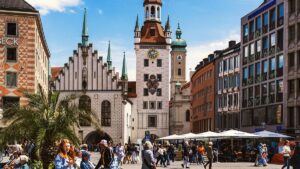
Home to major corporations such as BMW, Siemens, and Allianz, plus a growing tech scene. Salaries are often higher, but so is the cost of living.
3. Hamburg

A major media, publishing, and advertising center with many agencies and e-commerce businesses.
4. Frankfurt

Germany’s financial capital, with opportunities in banking, fintech, and B2B marketing.
5. Cologne and Düsseldorf


Cologne is strong in media, TV, and telecommunications, while Düsseldorf is known for advertising agencies, fashion, and consumer brands.
6. Stuttgart and Aachen
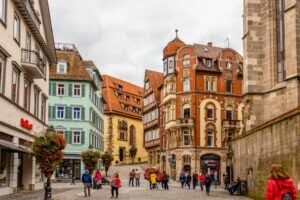

Stuttgart’s economy centers on automotive and engineering companies such as Mercedes-Benz and Porsche. Aachen, a university city near the Dutch and Belgian borders, has a smaller but growing tech scene.
Typical Salary Ranges
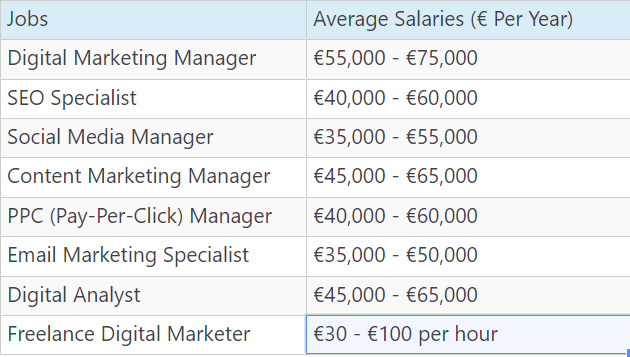
Salaries vary widely by experience, city, company size, industry, and German language ability. The ranges below are rough gross annual estimates for guidance only — check current data on salary sites and job listings before negotiating.
| Role | Approximate gross annual range |
|---|---|
| Entry-level marketing roles (junior, trainee) | €35,000–€45,000 |
| SEO specialist | €40,000–€60,000 |
| Social media manager | €38,000–€55,000 |
| Performance marketing / PPC manager | €45,000–€65,000 |
| Content marketing manager | €45,000–€65,000 |
| Marketing analyst | €45,000–€65,000 |
| Senior / head of digital marketing | €65,000–€90,000+ |
Remember that German salaries are quoted gross. Income tax and social security contributions (health insurance, pension, unemployment, and care insurance) significantly reduce take-home pay, so use a net salary calculator when comparing offers.
Do You Need to Speak German?
It depends on the employer:
- International startups and tech companies, especially in Berlin, often work in English.
- Traditional German companies and agencies serving German customers usually require strong German, particularly for content, SEO, and social media roles targeting German audiences.
Even if a job is in English, learning German greatly expands your options and makes daily life easier. Many employers value at least B1–B2 level German.
Visa Routes for Non-EU Applicants
Citizens of EU/EEA countries and Switzerland can work in Germany freely. Others usually need a visa or residence permit. Common routes include:
- EU Blue Card: For university graduates with a qualifying job offer that meets a minimum salary threshold (the threshold is updated each year).
- Skilled worker visa: For people with recognized qualifications and a job offer in a related field.
- Opportunity Card (Chancenkarte): A points-based permit introduced in 2024 that lets qualified people come to Germany to look for work.
- Job seeker options and freelance visas, which have their own requirements.
Rules, salary thresholds, and requirements change, so always check the official Make it in Germany portal and the German embassy or consulate in your country. Beware of agents who charge large fees and promise guaranteed jobs or visas.
Where to Find Digital Marketing Jobs in Germany
- LinkedIn — widely used by international companies and recruiters
- StepStone — one of Germany’s largest job boards
- XING — a German professional networking platform
- Indeed and Glassdoor — job listings plus salary and company reviews
- Berlin Startup Jobs and startup job boards for English-speaking roles
- Make it in Germany — the official government portal for international skilled workers
- Company career pages of brands you’d like to work for
How to Get Hired
1. Adapt your CV to German expectations
German CVs (Lebenslauf) are usually concise, well-structured, and chronological. Many employers expect a professional photo and a tailored cover letter (Anschreiben), although international startups may accept a standard English CV.
2. Show measurable results
Instead of listing duties, share outcomes: “Reduced cost per lead by 25% through campaign restructuring” or “Grew organic traffic by 60% in a year.” Use real numbers from your own work.
3. Build a portfolio
Include case studies, campaign examples, content samples, and analytics screenshots (with confidential data removed). A personal website or LinkedIn featured section works well.
4. Earn relevant certifications
Free and low-cost certifications — such as Google Ads, Google Analytics, HubSpot, and Meta — can strengthen your profile, especially early in your career.
5. Network actively
Join marketing communities, attend online and in-person events, and connect with recruiters and marketers in Germany on LinkedIn.
6. Prepare for interviews
Research the company’s marketing, be ready to walk through a campaign you managed, and expect case-study or task-based assessments.
Working With German Companies Remotely
If relocating isn’t right for you, you can still work with German businesses:
- Apply for remote roles that accept applicants in your country or time zone.
- Offer freelance services such as SEO, ads management, or content to German and European clients.
- Use freelance marketplaces and LinkedIn outreach to find clients.
Learn more in our guide to international remote jobs, and see how to use the Meta Ads Library to win clients — a practical way to find businesses that need marketing help.
Frequently Asked Questions
Can I get a digital marketing job in Germany without speaking German?
Yes, particularly at international startups and tech companies in Berlin and other large cities. However, speaking German significantly increases your options.
What qualifications do I need?
Many employers value practical skills and results more than specific degrees. However, visa routes such as the EU Blue Card often require a recognized university degree.
How much do entry-level digital marketers earn in Germany?
Entry-level roles commonly start somewhere in the mid-€30,000s to mid-€40,000s gross per year, depending on city, company, and skills.
Are remote digital marketing jobs common in Germany?
Many companies offer hybrid work, and some offer fully remote roles. Fully remote positions open to applicants outside Germany are less common and highly competitive.
Final Thoughts
Germany offers solid opportunities for digital marketers, especially in performance marketing, SEO, content, CRM, and analytics. Your chances improve significantly with measurable results, a strong portfolio, relevant certifications, and — ideally — some German language skills. If you’re applying from outside the EU, research visa options early using official sources. And if moving isn’t the right choice, remote and freelance work with German companies can be an excellent alternative.
Have questions about your job search? Feel free to contact us.
Salary and visa information is for general guidance only and may change. Always confirm details with official sources.