Tax Deductions Freelancers and Self-Employed People Often Miss
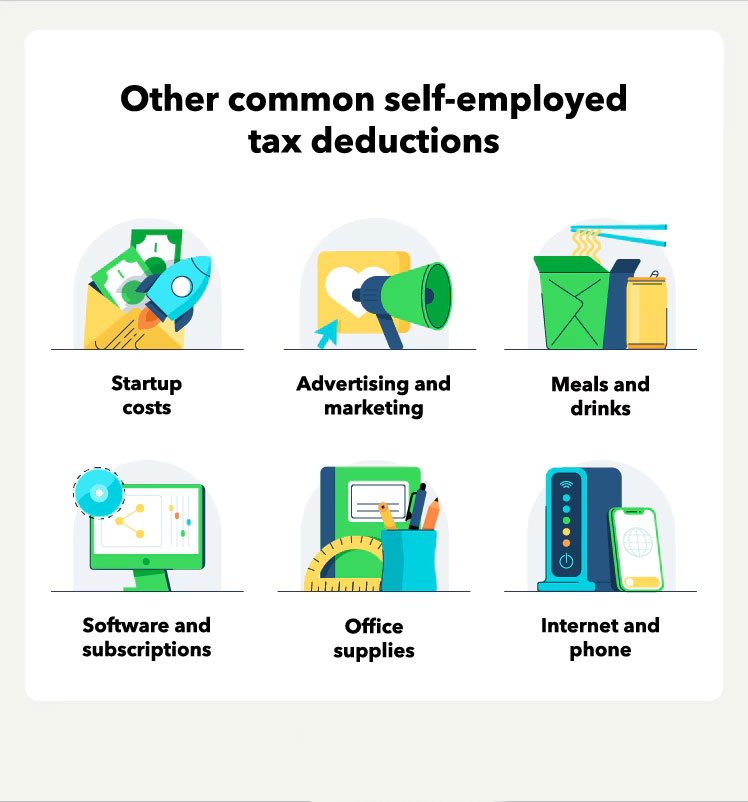
From half of self-employment tax to the home office deduction, platform fees, and retirement contributions, here are the tax deductions freelancers most often miss.
From half of self-employment tax to the home office deduction, platform fees, and retirement contributions, here are the tax deductions freelancers most often miss.

SBA loans, term loans, and lines of credit each suit different business needs. Here is how they compare on cost, speed, and requirements, plus tips for applying.

How identity theft happens, the warning signs, how to prevent it with credit freezes, strong passwords, and 2FA, and exactly what to do if your identity is stolen.
Index funds and ETFs both offer low-cost, diversified investing, but they differ in how you trade them, minimums, and taxes. Here is how to choose between them.

A debt consolidation loan offers a fixed rate and payment, while a balance transfer card can mean 0% interest for a limited time. Here is how to decide which option saves you more.
A Traditional IRA gives you a tax break now; a Roth IRA gives you tax-free income later. Here is how both accounts work, the key rules, and how to decide which fits you.
A fixed-rate mortgage keeps your payment steady for the life of the loan, while an ARM starts lower but can change. Here is how both work and five questions to help you choose.

The lowest advertised rate isn’t always the cheapest loan. Learn how to compare personal loan offers by APR and total cost, and spot origination fees, prepayment penalties, and predatory lenders.

No credit history? Secured cards, authorized user status, and credit-builder loans can get you started. Here is how to build a solid credit score from zero, with a simple 12-month plan.
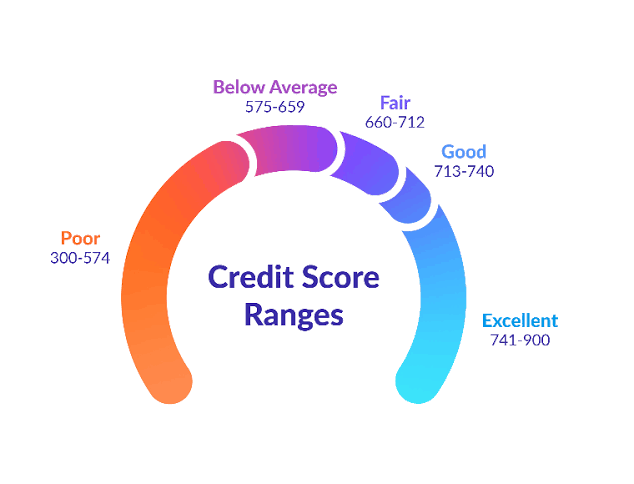
Your credit score is built from five factors: payment history, amounts owed, length of history, new credit, and credit mix. Here is how each one works and how to improve your score.