HELOC vs Home Equity Loan: Key Differences Explained

A home equity loan gives you a fixed lump sum, while a HELOC works like a flexible credit line. Here is how each one works, what they cost, and which suits your needs.
A home equity loan gives you a fixed lump sum, while a HELOC works like a flexible credit line. Here is how each one works, what they cost, and which suits your needs.

You don’t need thousands of dollars to start investing. Here is how to begin with small amounts using fractional shares, index funds, robo-advisors, and a simple step-by-step plan.

From the new RAP and Tiered Standard plans to PSLF, the avalanche method, and refinancing, here are the student loan repayment strategies that work in 2026.

Term life insurance is cheap and simple. Whole life lasts forever and builds cash value, but costs far more. Here is how the two compare and how to decide which one fits your family.

Rules of thumb like “10 times your income” are a start, but a needs-based calculation gives a much more accurate number. Here is a step-by-step method with a worked example.

Premiums, deductibles, copays, coinsurance, and out-of-pocket maximums all affect what you really pay for health care. Here is what each term means, with a clear example.

High-yield savings accounts, CDs, and money market accounts all pay more than regular savings. Here is how they compare on rates, access, and safety, and which to use for each goal.
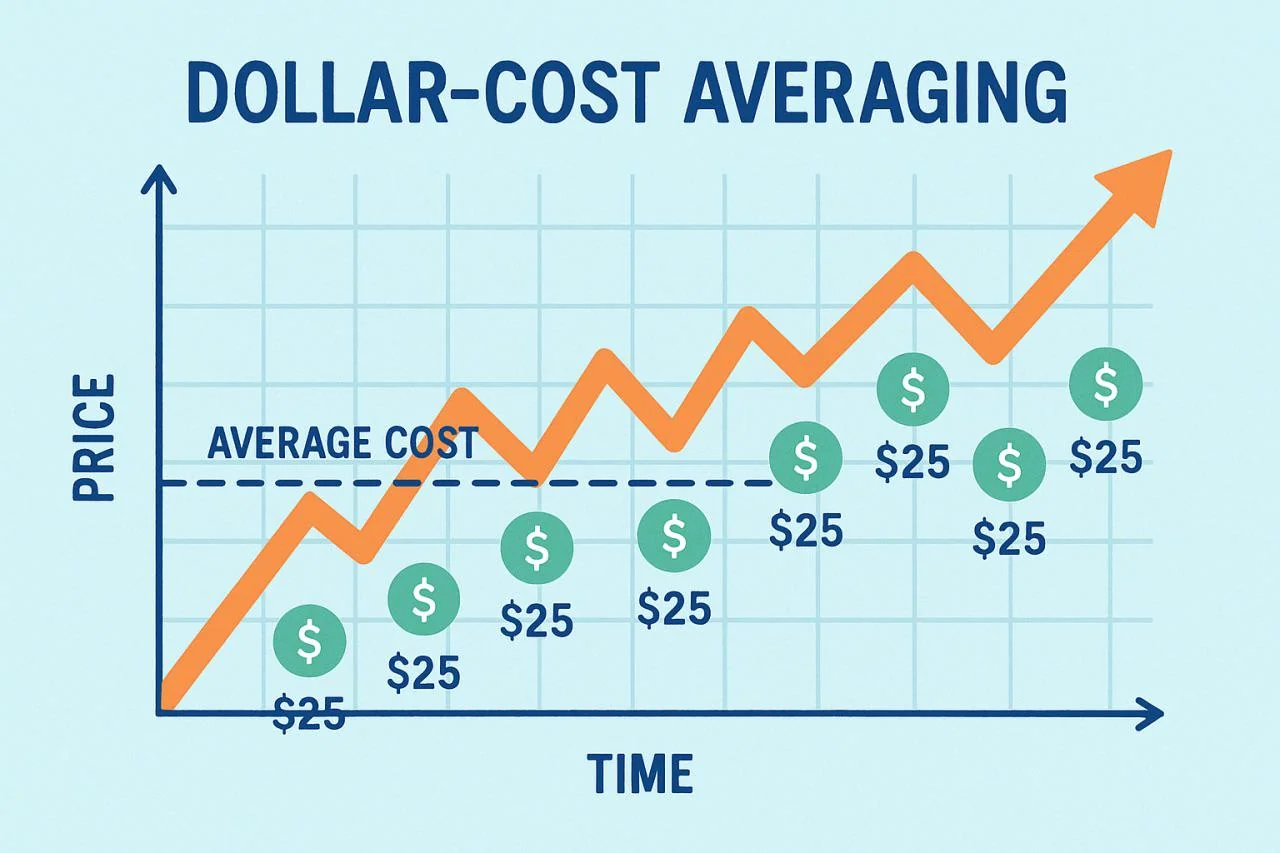
Should you invest a large sum all at once or spread it out over time? Here is how lump-sum investing and dollar-cost averaging compare, what the research says, and how to choose.

A standard homeowners policy covers your house, belongings, liability, and extra living costs — but floods, earthquakes, and wear and tear are usually excluded. Here is what to check in your policy.

Renters insurance protects your belongings, covers liability, and pays for a place to stay if your rental becomes unlivable — usually for a low monthly cost. Here is what it covers and the myths that stop people buying it.