Last updated: September 29, 2026
There’s no single “best” investment for everyone. The right choice depends on your goals, how long you can leave the money invested, and how much risk you can handle without panicking. An investment that’s perfect for a 25-year-old saving for retirement may be completely wrong for someone who needs the money for a house deposit next year.
This guide compares the most common ways to invest money — from savings accounts to stocks, bonds, real estate, and crypto — by risk, return potential, and timeline, and shows how to combine them into a sensible plan.
Before You Invest: Three Questions
- When will you need the money? Money needed within one to three years usually shouldn’t be in the stock market. Money for goals 5+ years away can take more risk.
- How much risk can you tolerate? If a 30% fall in your portfolio would make you sell in panic, choose a more conservative mix.
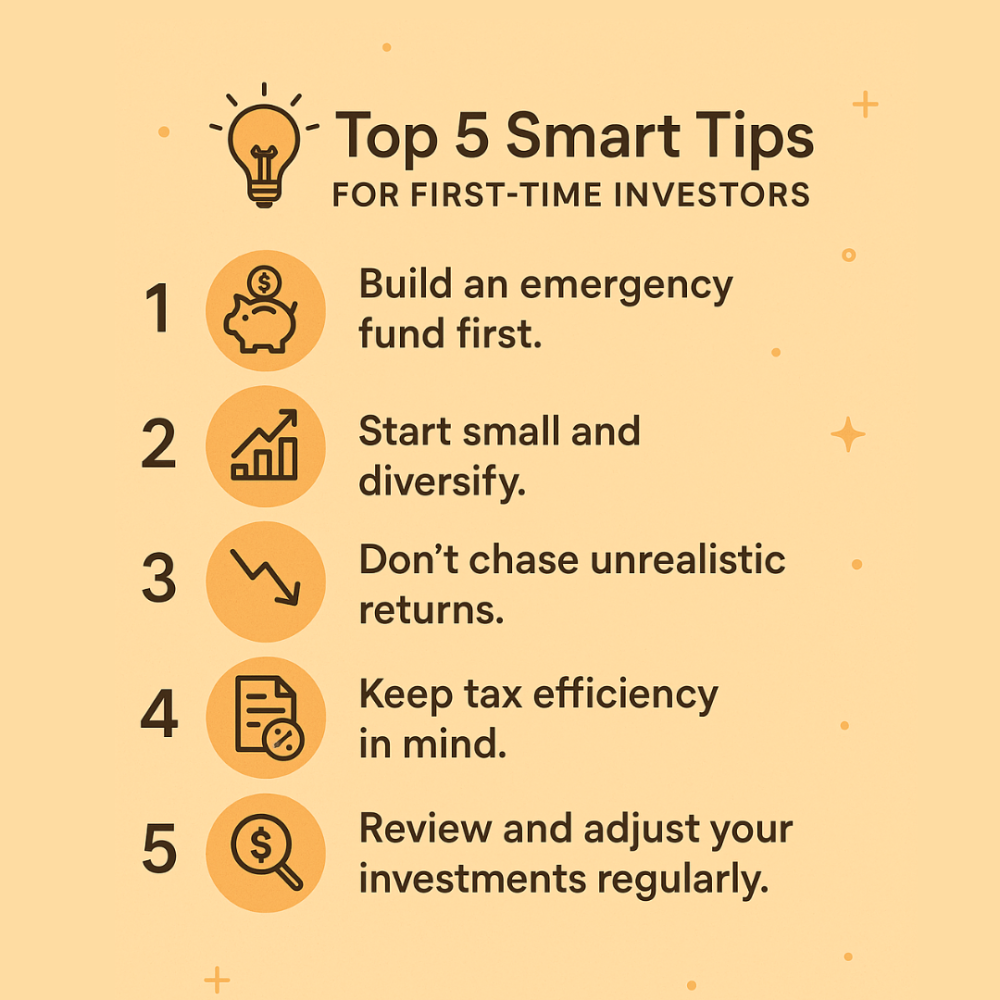
- Is your foundation in place? Before investing heavily, build an emergency fund and pay off high-interest debt.
Investment Options Compared
| Investment | Risk | Return potential | Best timeline |
|---|---|---|---|
| High-yield savings, CDs, money market accounts | Very low | Low | 0–3 years |
| Government bonds | Low | Low to moderate | 1–10 years |
| Investment-grade corporate bonds | Low to moderate | Moderate | 3–10 years |
| Broad index funds and ETFs | Moderate to high (short term) | Moderate to high | 5+ years |
| Dividend stocks | Moderate to high | Moderate to high | 5+ years |
| Individual growth stocks | High | High | 7+ years |
| Real estate and REITs | Moderate to high | Moderate to high | 5+ years |
| Gold and commodities | Moderate to high | Variable | Diversification only |
| Cryptocurrency | Very high | Very uncertain | Small speculative portion only |
Higher potential returns almost always come with higher risk — including the risk of losing money.

1. Cash Savings: High-Yield Savings, CDs, and Money Market Accounts
These are the safest places for short-term money and emergency funds. At insured banks, deposits are protected up to legal limits. Returns are modest but predictable. Compare options in high-yield savings vs CDs vs money market accounts.
Best for: Emergency funds and goals within the next few years.
2. Bonds
Bonds are loans to governments or companies that pay interest.
- Government bonds from stable countries are considered low risk, but their prices can still fall when interest rates rise if you sell before maturity.
- Investment-grade corporate bonds usually pay more than government bonds, with somewhat more risk.
- High-yield (“junk”) bonds are issued by companies with weaker credit. They pay more because the risk of default is higher.
Best for: Reducing portfolio swings and generating income, especially as you approach your goal.
3. Index Funds and ETFs
Broad index funds and ETFs hold hundreds or thousands of companies in one investment, offering instant diversification at low cost. For most long-term investors, a low-cost total market or S&P 500 fund makes an excellent core holding. Learn the difference in index funds vs ETFs.
Watch out for: Narrow “thematic” ETFs focused on trends like AI or clean energy. They can be volatile and are best kept as a small part of a portfolio.
Best for: Long-term goals like retirement.
4. Individual Stocks
- Growth stocks may rise quickly but can also fall sharply, especially when expectations are high.
- Dividend stocks pay regular income, but dividends aren’t guaranteed and can be cut.
Picking individual stocks requires research and carries concentration risk. Many investors keep most of their money in diversified funds and use only a small portion for individual stocks.
5. Real Estate and REITs
Rental property can provide income and long-term growth, but it requires significant money, borrowing, and ongoing management. REITs let you invest in property through the stock market with small amounts and no landlord duties. See realistic passive income ideas for more on rental income.
6. Gold and Commodities
Gold is often used as a diversifier during periods of uncertainty or high inflation, but it doesn’t produce income and its price can swing significantly. Most investors who hold gold keep it to a modest share of their portfolio.
7. Cryptocurrency
Cryptocurrencies such as Bitcoin and Ethereum are highly volatile and can lose a large share of their value quickly. Crypto staking, lending, and newer tokens carry additional risks, including platform failures and scams. If you choose to invest, limit crypto to a small amount you can afford to lose, use reputable platforms, and secure your accounts with strong authentication.
8. Tax-Advantaged Retirement Accounts
Where you invest can matter as much as what you invest in. In the United States, 401(k) plans, IRAs, and HSAs offer tax benefits that can significantly boost long-term growth. Always capture any employer match. See Roth IRA vs Traditional IRA.
In Pakistan, investors commonly consider the Pakistan Stock Exchange, SECP-regulated mutual funds, voluntary pension schemes, and National Savings schemes. Always check that a provider is properly licensed.
9. Investing in Yourself
Improving your skills, earning a certification, or building a side business can increase your income for decades — which in turn lets you invest more. See online job and freelancing opportunities.
How to Combine Investments: Example Portfolios
These examples are for illustration only, not recommendations:
| Investor | Stocks / stock funds | Bonds | Cash |
|---|---|---|---|
| Conservative (near goal or low risk tolerance) | 30% | 50% | 20% |
| Balanced (medium timeline) | 60% | 35% | 5% |
| Growth (long timeline, higher risk tolerance) | 85–90% | 10–15% | Emergency fund held separately |
Rebalance once or twice a year to bring your mix back to your targets.
Smart Investing Habits
- Start early — time is your biggest advantage.
- Invest regularly with automatic contributions.
- Keep costs low — fees compound against you.
- Diversify across companies, sectors, and asset types.
- Stay invested during downturns instead of selling in panic. Learn about dollar-cost averaging vs lump-sum investing.
- Avoid “guaranteed return” schemes — they’re often scams.
Frequently Asked Questions
What is the safest investment?
Insured bank deposits and short-term government securities are among the lowest-risk options, though their returns are modest.
What’s the best investment for beginners?
Many beginners start with low-cost, diversified index funds or target-date funds, often inside a retirement account. See how to start investing with small amounts.
How much should I invest?
Many people aim to invest 10–15% of their income for retirement, but any amount you can invest consistently is a good start.
Should I invest in crypto?
Only a small amount you can afford to lose, after your emergency fund and core investments are in place.
Final Thoughts
The best way to invest is the one that matches your timeline, goals, and risk tolerance — and that you can stick with through market ups and downs. For most people, that means keeping short-term money in safe savings, building long-term wealth with low-cost diversified funds, using tax-advantaged accounts, and limiting speculative investments to a small portion. For a complete plan, read our step-by-step guide to growing your wealth.
This article is for general educational purposes and is not investment advice. All investments carry risk, including the possible loss of principal. Consider speaking with a licensed financial professional.