Last updated: September 29, 2026
Your web host affects your website’s speed, uptime, security, and even your search rankings. For a small business, a slow or unreliable host can mean lost customers and sales. But hosting marketing is full of big promises and low introductory prices, which makes comparing providers harder than it should be.
This guide compares several popular hosting providers for small businesses, explains what really matters when choosing, and shows how to avoid common pricing traps.
First, Know What Type of Hosting You Need
| Hosting type | Best for | Trade-off |
|---|---|---|
| Shared hosting | New business sites, blogs, and portfolios | Cheapest, but resources are shared |
| Managed WordPress hosting | WordPress sites where you want speed and less maintenance | Costs more than basic shared hosting |
| Managed cloud hosting | Growing sites, online stores, and agencies | More power, higher cost |
| VPS or dedicated | High traffic or custom technical needs | Requires more technical skill or a higher budget |
For a full explanation, see shared vs VPS vs dedicated vs cloud hosting.
Popular Web Hosts for Small Businesses
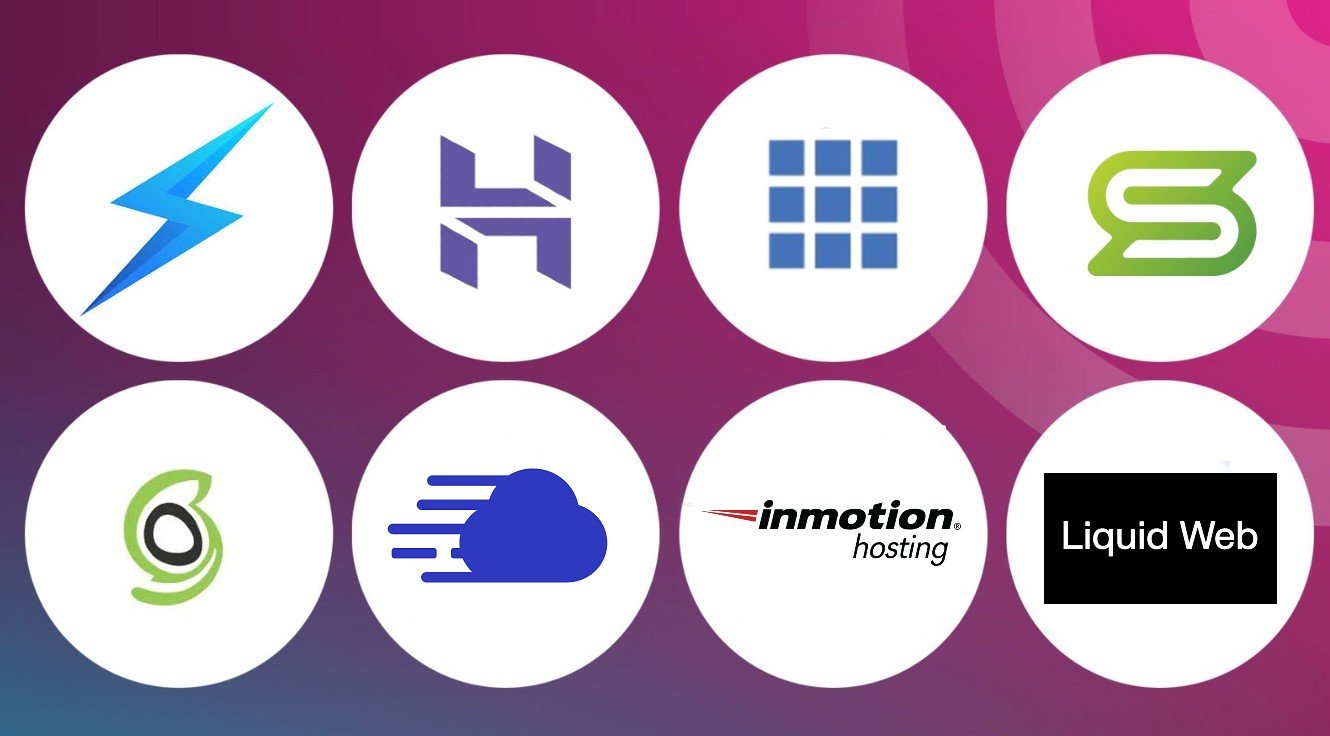
1. SiteGround — Strong Support and WordPress Performance
SiteGround is well known for its customer support and WordPress-focused features, including its own caching and security tools. It’s a common choice for small businesses that want a reliable, well-supported WordPress site.
- Strengths: Responsive support, daily backups, built-in caching and security, staging tools on higher plans.
- Considerations: Renewal prices are noticeably higher than introductory prices, and storage on entry plans is limited.
- Best for: Businesses that value support and stability over the lowest price.
2. Hostinger — Budget-Friendly With Modern Features
Hostinger offers low entry prices, a custom control panel (hPanel), and plans ranging from shared hosting to cloud and VPS. It has become popular with new businesses and beginners worldwide.
- Strengths: Affordable, easy to use, website builder options, and many data center locations.
- Considerations: The lowest prices usually require long commitments, and some features are limited to higher tiers.
- Best for: Budget-conscious businesses launching their first website.
3. Bluehost — Beginner-Friendly WordPress Hosting
Bluehost is one of the best-known WordPress hosts and is listed among WordPress.org’s recommended hosting providers. It offers simple setup and WordPress-focused tools.
- Strengths: Easy onboarding, WordPress integration, and a free domain for the first year on many plans.
- Considerations: Watch for upsells at checkout and higher renewal prices.
- Best for: Beginners building a WordPress business site or blog.
4. hosting.com (formerly A2 Hosting) — Performance-Focused Hosting
A2 Hosting, known for its speed-focused “Turbo” plans and developer-friendly features, rebranded as hosting.com in 2025 after being acquired by World Host Group. It offers shared, VPS, dedicated, and managed WordPress hosting.
- Strengths: Performance-oriented plans, developer tools, and a range of hosting types.
- Considerations: Plans and branding have changed since the rebrand, so compare current features carefully.
- Best for: Speed-focused business sites and developers.
5. Cloudways — Managed Cloud Hosting for Growing Businesses
Cloudways, owned by DigitalOcean, is a managed cloud platform that lets you run your site on infrastructure from providers such as DigitalOcean, AWS, and Google Cloud without managing servers yourself.
- Strengths: Scalable resources, pay-as-you-go billing, and a performance-optimized server stack.
- Considerations: Higher starting cost than shared hosting; email hosting is typically a paid add-on.
- Best for: Growing businesses, online stores, and agencies managing several sites.
Quick Comparison
| Host | Hosting style | Ease of use | Best for |
|---|---|---|---|
| SiteGround | Shared / managed WordPress | High | Support and reliability |
| Hostinger | Shared, cloud, VPS | High | Low budgets |
| Bluehost | Shared / WordPress | High | WordPress beginners |
| hosting.com | Shared, VPS, dedicated | Medium–High | Performance and developers |
| Cloudways | Managed cloud | Medium | Growing and high-traffic sites |
Prices, plans, and features change frequently. Always check each provider’s website for current details.
What Really Matters When Choosing a Host
1. Renewal pricing, not just the introductory price
Many hosts advertise very low first-term prices that increase significantly at renewal. Compare the renewal price and the total cost over two or three years.
2. Performance
Look for SSD or NVMe storage, recent PHP versions, server-level caching, and data centers near your customers. Faster sites improve user experience and support SEO. See how to speed up a WordPress website.
3. Security and backups
Free SSL certificates, firewalls, malware scanning, and automatic backups are essential. Also keep an independent backup — see cloud backup vs cloud storage.
4. Support quality
24/7 live chat or phone support matters when your site goes down. Test support with a pre-sales question before buying.
5. Scalability
Choose a host with an easy upgrade path so you can move to more resources as your business grows.
6. Email hosting
Some plans include business email; others require a separate service. Factor this into your costs.
7. Data center location
If most of your customers are in one region — for example, Pakistan or the Middle East — choose a host with nearby data centers or use a CDN.
Common Hosting Mistakes to Avoid
- Choosing only on first-year price
- Paying for add-ons you don’t need at checkout
- Registering your domain under someone else’s account — see how to choose and register a domain name
- Relying only on the host’s backups
- Staying on an overloaded plan after your site outgrows it
Frequently Asked Questions
What’s the best hosting for a small business website?
For most new small business sites, quality shared or managed WordPress hosting is enough. Growing stores and high-traffic sites may need managed cloud hosting.
Is cheap hosting good enough?
It can be for new, low-traffic sites. Check renewal prices, support quality, and upgrade options before committing.
Can I switch hosts later?
Yes. Many hosts offer free or low-cost migrations. Keeping your domain at a separate registrar makes switching easier.
Do I need managed WordPress hosting?
If you don’t want to handle updates, caching, and backups yourself — and your budget allows — managed WordPress hosting can save time and improve performance.
Final Thoughts
The best web host for your small business depends on your budget, technical skills, and growth plans. SiteGround stands out for support, Hostinger for affordability, Bluehost for WordPress beginners, hosting.com for performance-focused plans, and Cloudways for scalable managed cloud hosting. Compare renewal prices, test support, and choose a host that can grow with you. Ready to build your site? Follow our step-by-step WordPress guide.
This article is for general informational purposes. Hosting features and prices change frequently, so confirm details with each provider.