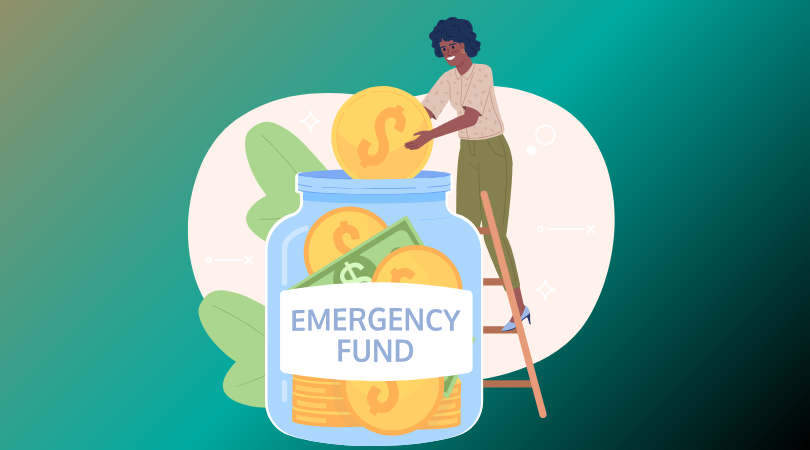
A car breaks down. A job disappears. A medical bill arrives out of nowhere. Unexpected expenses are a normal part of life — and how you pay for them can make the difference between a small setback and months of debt.
An emergency fund is money set aside specifically for these moments. This guide explains how much you should save, where to keep it, and how to build one even if money is tight.
What Is an Emergency Fund?
An emergency fund is a dedicated pool of cash for unexpected, necessary expenses or a sudden loss of income. It’s not for vacations, holiday shopping, or planned purchases — it’s your financial safety net.
Without one, many people are forced to rely on credit cards, personal loans, or retirement withdrawals when something goes wrong. Those options can be expensive and set your finances back for years.
What Counts as an Emergency?
Real emergencies
- Job loss or reduced income
- Unexpected medical or dental bills
- Urgent car repairs you need to get to work
- Essential home repairs, like a broken furnace or leaking roof
- Emergency travel for a family crisis
- Urgent vet bills
Not emergencies
- Vacations and holidays
- New gadgets or clothes
- Sales and deals
- Annual bills you know are coming, like insurance premiums or car registration (save for these separately)
A simple test: Is it unexpected, necessary, and urgent? If the answer is yes to all three, it’s probably an emergency.
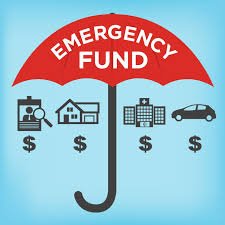
How Much Should You Save?
The most common guideline is to save three to six months of essential living expenses. Note that this is based on expenses, not income.
Step 1: Calculate your essential monthly expenses
Add up what you’d need to survive each month:
- Rent or mortgage
- Utilities
- Groceries
- Insurance premiums
- Transport
- Minimum debt payments
- Childcare and essential medical costs
Leave out non-essentials like dining out and subscriptions — you’d likely cut these in an emergency.
Step 2: Multiply by the right number of months
| Your situation | Suggested target |
|---|---|
| Stable job, dual-income household, no dependents | 3 months |
| Single income, or you have dependents | 6 months |
| Self-employed, freelancer, commission-based, or seasonal work | 6–12 months |
| Work in an unstable industry or have health concerns | 6–12 months |
Example: If your essential expenses are $2,500 per month and you have a stable job with a dual-income household, a 3-month fund would be $7,500. If you’re a freelancer, you might aim for $15,000–$30,000.
Start with a smaller goal
Three to six months of expenses can feel overwhelming. That’s why many people start with a starter emergency fund of $500 to $1,000, or one month of expenses. This covers many common emergencies and builds momentum.
Where Should You Keep Your Emergency Fund?
Your emergency fund should be:
- Safe: Not exposed to stock market swings.
- Accessible: Available within a day or two.
- Separate: Not mixed with everyday spending money, so you’re not tempted to use it.
- Earning interest: So inflation doesn’t eat away at it as quickly.
Good places for an emergency fund
- High-yield savings account: The most popular choice — good interest, easy access, and deposit insurance at insured banks.
- Money market account: Similar rates, sometimes with check-writing or a debit card.
- Short-term or no-penalty CDs: Can work for part of a larger fund, but make sure some money stays instantly accessible.
See our full comparison of high-yield savings vs CDs vs money market accounts. Whichever account you choose, protect it from scams and account takeovers with the steps in our online banking security guide.
Places to avoid
- The stock market: Your investments could be down just when you need the money.
- Your checking account: It’s too easy to spend by accident, and it usually earns little or no interest.
- Cash at home: Risk of theft or loss, and no interest.
- Retirement accounts: Early withdrawals may trigger taxes and penalties.
How to Build an Emergency Fund (Even on a Tight Budget)
1. Set a clear target
Write down your starter goal and your full goal. A specific number is easier to work toward.
2. Automate your savings
Set up an automatic transfer from your checking account to your emergency fund on payday. Even $25 a week adds up to $1,300 in a year.
3. Cut one or two expenses
Cancel unused subscriptions, cook at home more often, or shop around for cheaper insurance. Redirect the savings straight into your fund. Our guide on lowering your car insurance premium is a good place to start.
4. Save windfalls
Put tax refunds, bonuses, gifts, and cash-back rewards into your emergency fund.
5. Earn a little extra
Freelancing, tutoring, or selling unused items can speed things up. See our ideas for passive income you can start at home.
6. Track your progress
Watching your balance grow is motivating. Celebrate milestones like your first $500 or your first full month of expenses.
Emergency Fund vs Paying Off Debt
If you have high-interest debt, should you build savings or pay down debt first? Many people use a balanced approach:
- Build a starter emergency fund ($500–$1,000 or one month of expenses).
- Focus on paying off high-interest debt, like credit cards.
- Then build your emergency fund to the full three to six months.
Without any emergency savings, a surprise expense may push you further into debt. For debt strategies, see debt consolidation loan vs balance transfer card.
What to Do After Using Your Emergency Fund
Using your emergency fund means it did its job. Once the crisis passes:
- Pause or reduce other savings goals temporarily.
- Restart automatic transfers to rebuild the fund.
- Review what happened — could a separate savings account (for example, for car maintenance) prevent the same situation next time?
Frequently Asked Questions
Can my emergency fund be too big?
Yes. Beyond about 6–12 months of expenses, extra cash may be better invested for long-term growth. Keeping too much in savings means it may lose value to inflation.
Should I keep my emergency fund at a different bank?
Many people do, because it creates a small barrier against impulse spending. Just make sure transfers are fast enough for real emergencies.
Is a credit card a good emergency fund?
A credit card can help in a pinch, but carrying a balance is expensive. It’s better as a backup than as your main safety net.
Should couples have one emergency fund or two?
Either can work. What matters is that the total covers your household’s essential expenses and both partners know how to access it.
Final Thoughts
An emergency fund is the foundation of a healthy financial life. It protects you from debt, reduces stress, and makes it possible to invest for the future with confidence. Start small, automate your savings, keep the money in a safe and accessible place, and build toward three to six months of essential expenses — or more if your income is unpredictable.
This article is for general educational purposes and is not financial advice.